
Building Together: Collaboration in UX/UI
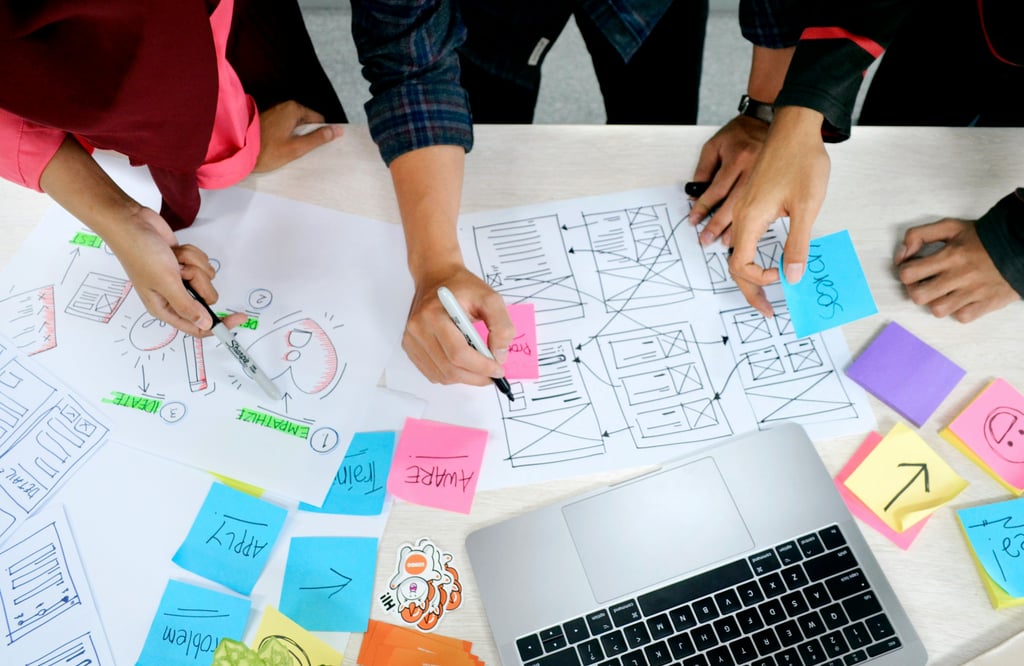
For this article, we asked ourselves the following questions: How can a set of UX roles come together to create unique digital experiences? And is respecting these roles the bridge that makes it possible?
Each UX role can be fundamental in creating a collaborative and effective work environment, but for this to happen, teams must first have a clear understanding of the responsibilities of each role.






First, it’s important to understand what is meant by “responsibilities.”
Role responsibilities refer to the specific duties, tasks, and functions associated with a position within the workplace.
In the context of UX, role responsibilities refer to the activities and duties that each UX team member is assigned based on their specific position or function.
"Roles within a team not only define tasks; they outline responsibilities, skills, and attitudes needed to achieve common goals" – Simon Sinek
Beyond the role’s title, it’s essential to know each UX professional’s specific tasks, skills, responsibilities, and performance expectations for their position within the team.
But how can we ensure respect for roles in UX teams?
First, it’s crucial for the team to start identifying the main responsibilities that will be part of each UX role.
We recommend listing the specific tasks of each team member, breaking down the responsibilities the expert will perform. For example, if a role involves “Designing user interfaces,” tasks could include creating wireframes, interactive prototypes, and style guides.
It’s also important to consider the technical skills, knowledge, and competencies required to carry out those tasks effectively. For instance, a UX Designer role involves skills in visual or graphic design tools like Figma or Adobe XD.
Internally establish the performance expectations for the role and the objectives the professional is expected to achieve. This may include success metrics, deadlines, and the quality of their projects.
Another key aspect is considering interactions with other teams or departments. If the role involves collaboration with other teams, describe how this interaction and cooperation will occur.
Once this internal description is completed, we suggest reviewing it together with all team members to seek collective agreement. It’s important at this stage to request feedback from other UX professionals or team leaders to ensure expectations are as clear and objective as possible.
Remember, UX is constantly evolving, so role responsibility descriptions should be flexible and updated to reflect the latest trends and methodologies.
In summary, by creating detailed responsibility descriptions for UX roles, the team will have a clear internal guide, ensuring understanding not only of responsibilities but also of the expectations for each role.
What group activities can help achieve this?
One group activity we’ve used at AURA UX is a roleplay technique called: “Walking in Someone Else’s Shoes.”
This technique aims to help the UX team empathetically understand the responsibilities and daily challenges each member faces.
Steps of the activity:
1) First, list the roles in your UX team and ask team members to select a card representing a role different from their usual one.
It’s essential to have a collective moment to research each role to understand its responsibilities. The team can use secondary research sources, such as articles, news, and methodologies associated with the chosen role.
2) Once everyone has researched their assigned roles, conduct a roleplay simulation. Each team member assumes the chosen role and acts as if they are performing that role during a simulated team meeting or daily design process.
3) After the simulation, provide a space for reflection and discussion where participants share their experiences in a different role. Consider what challenges they felt, how they perceived the role, and reflect as a group on what new perspectives or understandings they gained by seeing responsibilities from another point of view.
4)After the group reflection, emphasize the importance of understanding each role’s challenges and responsibilities within the UX team. Encourage the team to apply this knowledge in their daily work, promoting better understanding and collaboration between roles.
This activity fosters empathy and understanding among team members by allowing them to experience and appreciate the challenges and perspectives of other roles. It invites reflection on how respect for roles can contribute to efficiency in daily UX projects.
At AURA, the moderation of this activity was conducted by the UX Researcher, who has experience managing workshops and group techniques. We recommend having an internal or external moderator to facilitate communication and participation in this activity.
As you know, FigJam is a Figma collaboration tool that allows the creation of diagrams, brainstorming sessions, and mind maps. We will provide a template of this collaborative technique for those who want to download (by duplicating the file), which includes an infallible icebreaker to prepare your team for this activity. Go for it!
In a team, respect is key.
"When each member embraces their role with passion and commitment, the team becomes a machine capable of overcoming challenges and achieving successes."
Say hello
Contact
hello@aurauxstudio.com
Buenos Aires, Argentina
About us
Services
UX Design and Development
Strategy & Audit


Let's design the future
Aura UX Studio 2024